Commercial Waste in Stratford
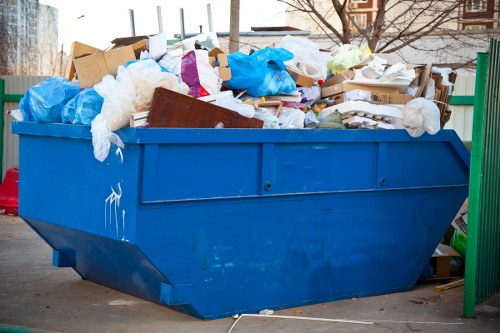
Commercial waste in Stratford needs a practical, lawful and organised approach, especially when a business wants regular collections or a one-off clear-out handled without disrupting the working day. We focus on removing mixed business waste, separating reusable and recyclable materials where this is appropriate, and arranging collection in a way that suits the premises and the type of material produced. That can include everyday office rubbish, packaging, bulky items and items that need careful handling because of their make-up or size.
The right service for a business usually depends on how waste is produced, how often it builds up and whether the material is mostly general waste, recyclable streams or specialist items. Our service approach is designed to keep things straightforward: identify what needs removing, choose the right collection method and make sure the load is dealt with responsibly. If you are comparing options, pricing and quotes is a sensible place to begin, because the contents and volume of a load often shape the most suitable arrangement.
For many customers, the main value is not only removal but clarity. When waste is sorted well, collected promptly and sent to the right destination, day-to-day operations are easier to maintain and the premises are easier to keep organised. If you are planning a collection, it helps to prepare a brief list of what needs to go. You can request a quotation in plain language by describing the waste, the access available and the timing that works best for your business.
Business waste collections and workplace clearances
Commercial premises often produce a mixture of regular rubbish and occasional bulky waste, so the collection method needs to be flexible enough to deal with both. We work with business waste removal in Stratford for a range of settings, including offices, shops, hospitality premises and shared workspaces. The goal is to remove unwanted material efficiently while keeping the process manageable for the people using the building. In practice, that often means dealing with bags, boxes, shelving, fixtures, packaging and general clutter in one planned visit.
Where the load includes different material types, it is useful to think in terms of what can be separated before collection. Recyclable cardboard, mixed paper, metal and certain clean plastics are often best kept apart from general waste, while other items may need to be removed as mixed commercial waste. We can also help when a business has accumulated items that no longer serve a purpose, such as redundant office furniture, old stock, broken fittings or packaging left over after refit work. For a broader overview of related services, the waste removal page gives a useful starting point.
When preparing for a collection, keep the instruction simple and practical: what needs moving, where it is stored and whether there are any access limits. A short inventory is often enough, and photographs can help if the waste includes unusual items or awkward volumes. If the collection involves items from a trading floor, back room or storage area, it is sensible to note any restrictions such as stairs, narrow corridors, loading bay rules or limited parking. A clear quotation request is usually easier to prepare when those points are set out from the start.
Office waste, furniture and equipment
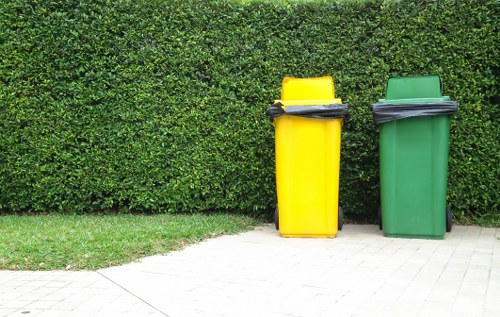
Office waste can involve far more than paper bins, especially when workspaces are being reorganised or updated. Desks, chairs, filing cabinets, storage units, monitors, small electrical items and general office clutter may all need removing together. Our office waste removal service is intended for that sort of practical clearance work, where the aim is to clear space without turning the process into a disruption. We can deal with the movement of furniture and mixed office waste as part of a planned commercial collection, rather than treating every item as a separate job.
Some businesses need disposal support for specific items rather than a full clearance. That is where more focused services can be useful. For example, furniture clearance suits situations where desks, tables, chairs or storage pieces need to be removed in a structured way, while furniture disposal is helpful when the main concern is simply getting rid of unwanted items responsibly. If the load includes a mix of office furniture and other redundant materials, those services can be combined within the overall commercial waste plan.
Many office collections are easier when the main pieces have already been identified, because it reduces time spent deciding what stays and what goes on the day. If you are arranging a quotation, it is useful to mention whether items are assembled, stacked or located in different rooms. For larger office changes, a short note about lift access, corridor width and any building rules can help shape the most practical removal method. For a direct enquiry, contact us.
Bulky items, appliances and specialist disposal
Commercial waste is not always light or bagged. Businesses sometimes need help removing bulky items that cannot be placed in ordinary containers, including damaged furniture, display units, old appliances and equipment from refurbishments or closures. A sensible collection plan needs to account for size, weight and how the items can be moved safely through the building. That is why it is useful to separate a bulky waste request from a routine rubbish collection before the job is booked.
Where appliances are involved, disposal has to be handled with care because some items contain materials that need the right route of recovery or processing. Our fridge and appliance removal service is relevant when commercial kitchens, staff rooms, stock rooms or workplace refreshes produce items such as fridges or similar equipment. For soft furnishings or larger household-style items from commercial settings, the mattress and sofa disposal page may also be useful as a related option when those items are part of the load.
Specialist disposal work is often about matching the item to the correct handling method rather than simply lifting it away. A careful quotation should therefore distinguish between ordinary waste, bulky recyclable material and items that need more specific treatment. If there are multiple item types on site, it helps to group them before collection so the removal can be planned efficiently. If you want to discuss the mix of items first, a quick call or enquiry is the easiest way to start the process.
Clearances for storage areas, back rooms and site clean-ups

Commercial premises often build up waste in storage rooms, back offices, basements and other out-of-sight areas. These clearances can include cardboard, broken stock, packaging, old display stands, damaged containers and general material left over after reorganising the business. A targeted clearance is useful when the aim is to restore usable space and remove items that have accumulated gradually rather than in one obvious pile. In that sense, the service is not limited to any one trade; it is about removing mixed unwanted material from the working environment.
Back-room clearances can also overlap with larger property clean-outs when a business unit is being emptied, handed back or reconfigured. In those situations, it is often better to plan the waste removal alongside the order in which rooms will be cleared. The business waste removal page covers the main commercial approach, while more specific clearances such as office clearance or home clearance may be relevant where the premises include hybrid spaces or domestic-style storage.
To make a quotation more accurate, it helps to mention whether the waste is loose, bagged, boxed or piled, and whether the collection point is at ground level or deeper inside the building. If items are mixed across several rooms, say so plainly; that usually matters more than exact wording. One or two photographs can be helpful, but a simple written description is just as useful when the site layout is straightforward. For an initial estimate, send the basics and ask for a practical recommendation.
Hazard awareness and careful sorting
Not every item in a commercial clearance can be handled in the same way, and some materials require extra caution before removal. Businesses sometimes need to separate ordinary waste from items that may be classed as hazardous, damaged or otherwise unsuitable for casual disposal. That distinction matters because the collection route, handling method and downstream treatment need to fit the material itself. If you are unsure what a particular item is, it is better to describe it clearly than to guess.
For loads that may involve controlled or sensitive materials, there are dedicated services that should be considered on their own merits. The hazardous waste disposal page is relevant where a business has substances or items that need specialist handling. For secure paperwork disposal, confidential shredding can be useful when documents, records or other sensitive paper waste must be destroyed properly. These are separate from ordinary commercial rubbish and should be identified before any collection is arranged.
Useful details for a quotation are usually simple: item type, approximate quantity, location within the premises and whether there are any warnings about handling. If a load includes both standard waste and a specialist category, say which items belong to each group so the collection can be planned sensibly. That approach avoids confusion and makes it easier to recommend the right service first time. When in doubt, describe the contents conservatively and ask for guidance rather than assuming they can go in a general load.
About Stratford
Stratford is an area in East London that has undergone significant change over time, moving from a historic settlement on the River Lea to a major centre of transport, retail and redevelopment. It lies within the London Borough of Newham and is known for its strong connections by rail, Underground, bus and road, which have helped shape its growth. The wider district includes a mix of older residential streets, commercial premises and newer large-scale development, with the Queen Elizabeth Olympic Park forming one of the best-known modern landmarks. The park occupies land associated with the 2012 Olympic and Paralympic Games and has become a major open space and visitor destination. Stratford station is an important interchange, linking the area to the Central and Jubilee lines, the Elizabeth line, London Overground and national rail services, which gives the district a distinctly connected feel. Westfield Stratford City is another prominent feature, bringing together retail, leisure and dining in a large contemporary complex that sits alongside the transport hub. The area also contains a number of smaller local streets, housing estates and community facilities that reflect its layered history and continuing development. Nearby waterways and green spaces, including parts of the Lea Valley corridor, add variety to the urban landscape, while older buildings and post-war redevelopment sit beside newer architecture. Taken together, these elements make Stratford a place where transport infrastructure, large public projects and everyday neighbourhood life all meet in a compact and active urban setting.
When a business needs commercial waste removed in Stratford, the practical step is to match the load to the right service and then give enough information for a clear quotation. That usually means noting the type of waste, the approximate quantity, where it is kept and whether access is straightforward or restricted. A short description is enough for many requests, but photographs can be useful if there are bulky items or mixed contents. From there, the job can be assessed and arranged in a way that suits the premises.
For a direct response, send the main details and ask for a quote. If the load includes furniture, appliances or mixed materials, mention that too so the right collection can be proposed without delay.
What we remove from commercial premises
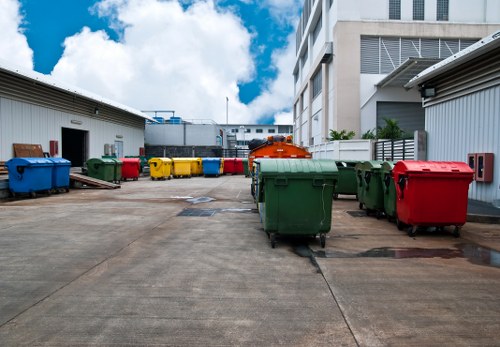
Commercial waste varies from one site to another, so the removal service has to stay broad enough to cover everyday rubbish while still being careful with particular item types. Common examples include packaging, archived office clutter, worn-out furniture, redundant fixtures, display units, damaged stock and mixed clearance waste from refits or moves. Some businesses only need a single collection, while others prefer a repeat arrangement to keep waste under control as it builds up through normal operation.
When there is a recurring waste stream, it helps to think about how the material is generated and stored between collections. Businesses that produce steady volumes of general waste may need a different arrangement from those whose waste is occasional but bulky. In either case, it is usually worth reviewing whether some materials can be separated in advance. Recycling-conscious handling can be supported by the information on recycling and sustainability, which may help customers think through what belongs in a mixed load and what can be diverted where appropriate.
Preparation does not need to be complicated. A simple list, a note about access and a rough idea of the volume often gives enough information to begin. If the collection includes several rooms, a store area or a back-of-house space, it is helpful to say so once rather than repeatedly. That keeps the request clear and helps the service recommendation stay focused on the actual waste rather than on guesswork about the site.
Planning a collection around access and timing
Commercial collections work best when the site conditions are clear from the start. Access information matters because loading an item from a ground-floor entrance is very different from carrying the same item through a narrow staircase or shared corridor. Timing can matter too, especially when a business wants the collection to fit around opening hours, staff shifts or deliveries. None of that needs to be overcomplicated, but it should be mentioned if it affects the work.
If your load is part of a larger tidy-up, it may be worth looking at the most suitable service category before confirming the job. For premises that are being emptied more fully, flat clearance, house clearance and loft clearance show how different clearance types are organised, while garage clearance and garden clearance may be relevant where storage or external areas contain added waste. Those pages are useful when a business has unusual mixed contents rather than standard office rubbish.
If you are requesting a quote, include only the facts that change the job: what needs removing, where it is, and whether anything needs special handling. The clearer the brief, the easier it is to compare options and arrange the right collection. A concise enquiry is often better than a long explanation, especially when the waste is already sorted and ready to go.
Getting started with a quotation
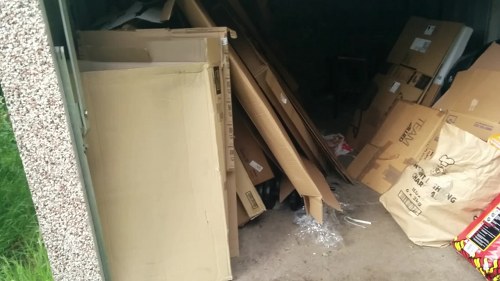
Commercial waste removal is easier to plan when the customer knows which service category fits the job. A straightforward load of bags or mixed rubbish may only need a general collection, while furniture, appliances, office contents or sensitive material may point to a more specific route. We work across those common commercial needs by keeping the process practical: understand the material, identify the access, and put together a clear way to remove it.
For many customers, the next step is simply to decide whether the waste is a one-off job or part of a regular pattern. That distinction can affect how the collection is organised and what information is most useful when asking for a price. If you already know the main contents, you can move straight to the quotation stage. If not, the service pages linked above may help you identify the right category before you get in touch. You can also review about us if you want more general background on the business before making an enquiry.
Request a quotation by sending a plain description of the waste, the location within the premises and any access details that matter. If the job involves bulky items, specialist materials or several areas of the site, mention that in the first message so the response can be as accurate as possible. A short, clear enquiry is the quickest way to move from planning to collection.